

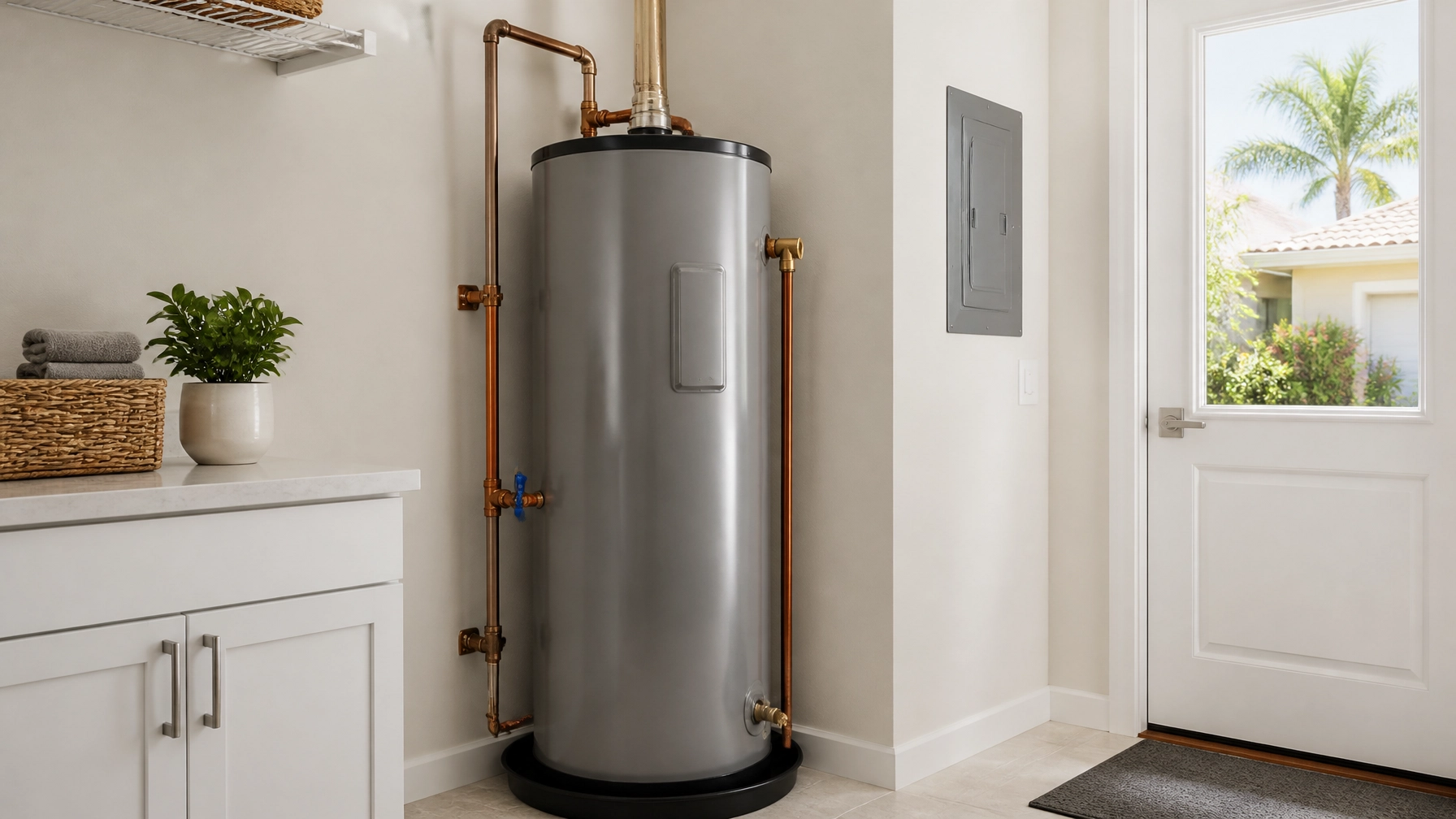
There is nothing quite like the shock of a freezing cold shower on a Monday morning to ruin your day. For homeowners in Cape Coral, your water heater is one of those "out of sight, out of mind" appliances: until it stops working. Whether you’re getting ready for work or trying to wash a load of laundry, a sudden lack of hot water is more than just an inconvenience; it’s a disruption to your entire routine.
Most people don’t realize that water heaters usually give off subtle warning signs before they completely give up the ghost. Catching these early can mean the difference between a simple water heater repair and an expensive, middle-of-the-night emergency plumber near me call.
At Infinity Plumbing, we’ve seen it all. From minor thermostat tweaks to full-blown flooded garages, we want to help you spot the trouble before it becomes a disaster. Here are the 6 major signs that your water heater is crying out for help.
1. Fluctuating Water Temperatures
Have you noticed that your shower starts out nice and hot but turns lukewarm after only five minutes? Or maybe the water temperature swings wildly from scalding to ice-cold without anyone touching the knobs?
This is often one of the first signs of a failing water heater. In electric water heaters, this usually points to a failing heating element. Most units have two: one at the top and one at the bottom. If one burns out, the water won’t stay hot for long. In gas water heaters, the issue could be a malfunctioning thermostat or a pilot light that is struggling to stay lit.
If you’re experiencing "lukewarm-only" water, it might also be a sign of a broken dip tube. This tube is responsible for sending cold water to the bottom of the tank to be heated. If it breaks, the cold water mixes with the hot water at the top, leaving you with a tepid shower.
2. Strange Noises (Rumbling, Popping, and Banging)
Your water heater should be relatively quiet. If it starts sounding like there’s a giant popcorn machine in your garage or laundry room, it’s time to pay attention.
These popping, banging, or rumbling noises are almost always caused by sediment buildup. Over time, minerals like calcium and magnesium (which are common in Florida’s water supply) settle at the bottom of the tank. As the water at the bottom heats up, steam bubbles get trapped under this layer of sediment. When they eventually burst through, they create those loud popping or banging sounds.

Not only are these noises annoying, but they also indicate that your heater is working much harder than it should. The sediment acts as an insulator, forcing the burner or heating element to stay on longer to reach the desired temperature. This leads to higher energy bills and eventually causes the tank to overheat and crack.
3. Discolored or Rusty Water
When you turn on the hot water, it should be crystal clear. If it looks rusty, brown, or even slightly "cloudy," you have a problem.
Rust in your hot water usually indicates one of two things:
- The tank is corroding from the inside.
- The sacrificial anode rod has failed.
The anode rod is a magnesium or aluminum rod inside the tank that "sacrifices" itself to attract corrosion so the tank doesn't rust. Once that rod is gone, the tank itself starts to rust. If you catch this early, a simple water heater repair involving an anode rod replacement can save your unit. However, if the tank itself is rusting, a hot water heater replacement is inevitable. Rust is the enemy of metal, and once it starts eating through your tank, a leak is only a matter of time.
4. Leaks or Moisture Around the Tank
This is the big one. If you see puddles of water at the base of your water heater, do not ignore them. Even a small "damp spot" is a red flag.
Leaks often occur at the connections (like the cold water inlet or hot water outlet) or from the Temperature and Pressure (T&P) relief valve. These are often fixable. However, if the water is coming from the bottom of the tank itself, it usually means the inner lining has cracked due to age or sediment buildup.

Because water heaters hold dozens of gallons of pressurized water, a small leak can turn into a flood in seconds. If you notice a leak, it’s best to call for residential plumbing services immediately to assess the damage.
5. Reduced Hot Water Pressure
Is your hot water coming out as a sad drizzle while the cold water has plenty of pressure? This is a common symptom of mineral deposits clogging the pipes or the heater’s outlet.
In Cape Coral, our water can be hard, leading to significant scale buildup. This scale can narrow the diameter of your pipes, much like cholesterol clogs arteries. If the hot water flow is significantly weaker than the cold, a professional flush might clear the lines, but in older units, it might be a sign that the internal components are so calcified that they can no longer function properly.
6. The Unit is Over 10 Years Old
Even if your water heater seems to be working fine, age is a factor you can’t ignore. Most traditional tank-style water heaters are designed to last between 8 and 12 years. If yours is approaching or past the decade mark, it’s living on borrowed time.
Older units are significantly less efficient than modern models. If you’ve noticed your electric or gas bills creeping up every month, your aging water heater might be the culprit. Upgrading to a modern unit or a high-efficiency tankless water heater can save you hundreds of dollars in energy costs over the long run.
Repair vs. Replacement: Which Do You Need?
So, you’ve noticed one or more of these signs. Now what?
Deciding whether to repair or replace is usually a matter of "The Rule of 50." If the cost of the repair is more than 50% of the cost of a new unit, and the heater is over 50% of its expected lifespan, it’s usually smarter to invest in a replacement.
- When to Repair: If your unit is less than 8 years old and the issue is a minor component like a thermostat, heating element, or anode rod, a repair is the way to go.
- When to Replace: If your tank is leaking, the tank itself is rusting, or the unit is over 12 years old, it’s time for a new one.

Why Cape Coral Homeowners Trust Infinity Plumbing
At Infinity Plumbing, we understand the specific challenges homeowners face here in Southwest Florida. Between the hard water and the high demand for hot water in busy households, your water heater works hard.
We pride ourselves on providing honest, straightforward advice. We’ll never try to sell you a replacement if a simple repair will solve the problem. But if your old heater is a ticking time bomb, we’ll help you find the most efficient and cost-effective replacement for your home.
Whether you need a quick flush to get rid of that "popping" noise or you’re looking for an emergency plumber near me because your garage is flooded, we’re here to help.

Contact Infinity Plumbing Today
Don’t wait until you’re shivering in a cold shower to address your water heater issues. If you’ve noticed any of the signs mentioned above, give the experts at Infinity Plumbing a call. We serve Cape Coral and the surrounding areas with professional, reliable, and friendly plumbing solutions.
Get in touch today:
- Phone: 239-499-8998
- Email: service@infinityhome.services
- Website: infinityhome.services
Let us handle the dirty work so you can get back to enjoying your hot water!
Leave a Reply