

There’s nothing quite like the shock of a freezing cold shower on a Monday morning to make you realize just how much you rely on your water heater. It’s one of those "invisible" home appliances: you don't think about it until it stops working. But when it does, it becomes the most important thing in your house.
If you’ve been noticing puddles around the base of your tank, hearing weird banging noises, or getting lukewarm water when you’re expecting a hot soak, you might be in the market for a hot water heater replacement.
Buying a new unit isn't exactly like buying a new TV. There are pipes, gas lines, electrical connections, and local codes to think about. To help you navigate the process without the stress, we’ve put together a list of the 10 most important things you should know before you pull the trigger on a new system.
1. Do You Really Need a Replacement or Just a Repair?
Before you start shopping for a brand-new unit, it’s worth asking: can this be fixed? Sometimes, a simple water heater repair can save you thousands. If your heater is relatively new (under 8 years old) and the issue is a faulty heating element or a broken thermostat, a quick fix might be all you need.
However, if the tank itself is leaking, that’s usually a death sentence for the unit. Most tanks are made of steel and lined with glass; once that glass cracks and the steel starts to rust through, there’s no patching it up. If you see "rusty" water or a puddle under the unit, it’s time to call for residential plumbing services to talk about a replacement.

2. Know the Age of Your Current Unit
Most traditional tank water heaters have a lifespan of about 8 to 12 years. If yours is pushing 10, you’re living on borrowed time. You can usually find the age of your unit by checking the manufacturer's sticker on the side of the tank. Look for the serial number: the first few digits often indicate the month and year it was made.
Knowing the age helps you make a proactive decision. It’s much better to replace a 12-year-old heater on a Tuesday afternoon than to deal with an emergency flood at 2 AM on a Sunday.
3. Tank vs. Tankless: Which is Best?
This is the biggest debate in the plumbing world right now.
- Traditional Tank Heaters: These keep 40 to 50 gallons of water hot and ready at all times. They are cheaper to buy and install upfront, but they use more energy because they are constantly reheating that big tank of water.
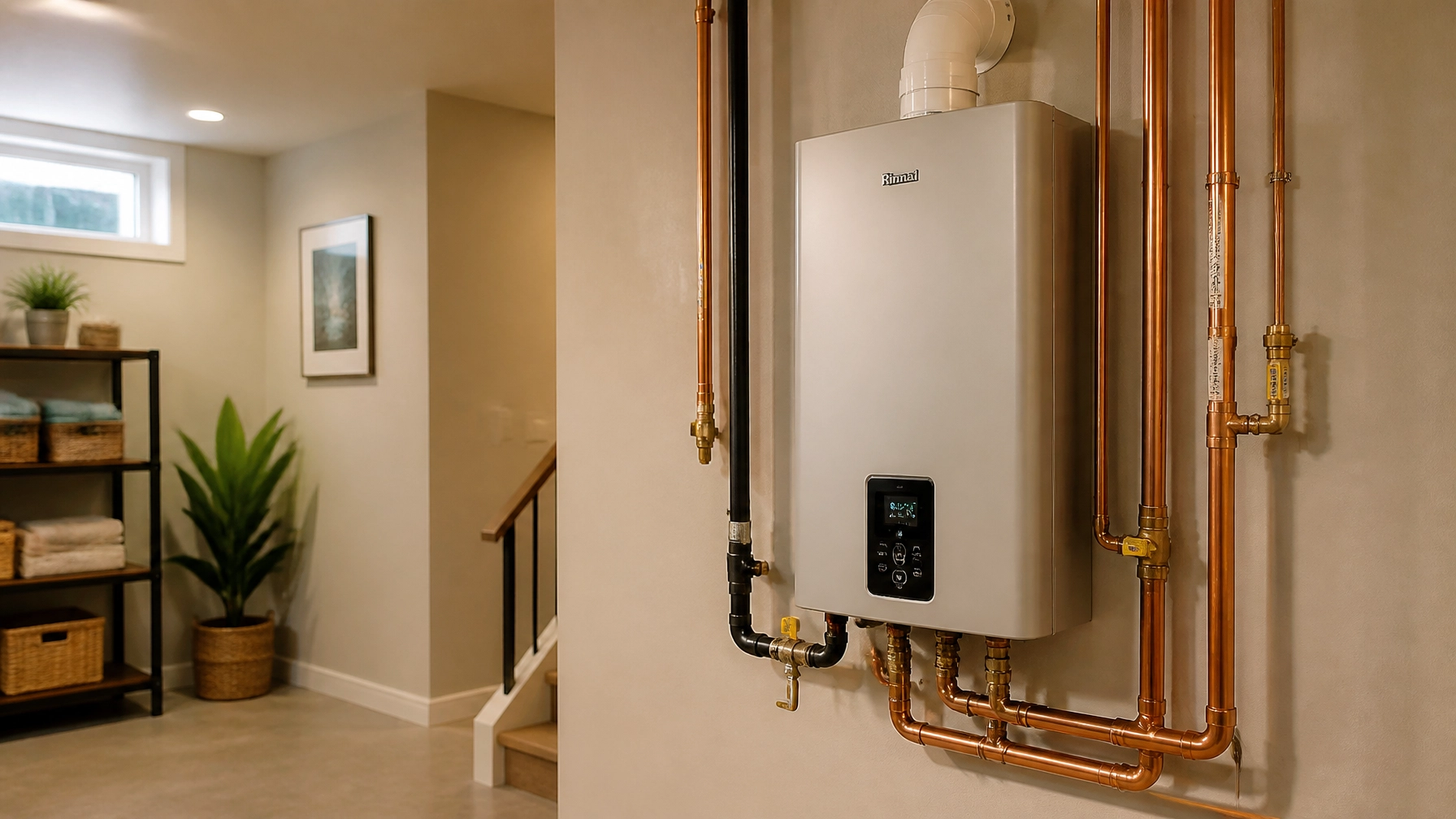
- Tankless Heaters: Also known as "on-demand" heaters, these only heat water when you turn on a tap. They are much smaller (they hang on the wall), last longer (up to 20 years), and are way more energy-efficient. The downside? They cost significantly more to install.

4. Size Matters (Capacity)
If you’ve added a new bathroom or your family has grown since your last heater was installed, your old unit might not be the right size anymore.
For tank heaters, capacity is measured in gallons. A family of four usually needs at least a 50-gallon tank. For tankless heaters, capacity is measured in "gallons per minute" (GPM). You’ll need to figure out how many things you might be running at once (like a shower and a dishwasher) to ensure you don’t get a cold surprise mid-rinse.
5. Don't Ignore Energy Efficiency
Water heating is typically the second-largest energy expense in a home, accounting for about 18% of your utility bill. When looking for a hot water heater replacement, check the "Energy Factor" (EF) rating. The higher the number, the more efficient the unit.
Modern units, especially hybrid heat pump water heaters, can be incredibly efficient and might even qualify you for local rebates or federal tax credits. Investing a little more now can save you hundreds on your water and gas/electric bills over the next decade.
6. Codes and Permits are Real
Gone are the days when you could just "swap" a tank and call it a day. Today, there are strict local building codes that must be followed. These codes cover everything from the size of the drain pan to the type of venting required for gas units.
When you hire a pro for residential plumbing services, they will handle the permits for you. This is crucial for your home insurance; if an unpermitted water heater causes a flood or fire, your insurance company might refuse to cover the damage.
7. The Total Cost Includes More Than Just the Tank
When you see a price tag at a big-box store, remember that it doesn't include:
- Labor: Professional installation is a must for safety and warranty reasons.
- Venting: If you’re switching types (like gas to electric or tank to tankless), your venting might need a complete overhaul.
- Disposal: Someone has to haul that heavy, rusty 200lb old tank away.
- Expansion Tanks: Many local codes now require a small "expansion tank" to be installed above the main heater to handle water pressure spikes.
8. Finding the Right Pro
This isn't a project you want to leave to a "handyman" from a random app. You want a licensed professional. If your heater bursts in the middle of the night, you might find yourself searching for an "emergency plumber near me."
A good plumber will not only install the unit but also verify your gas lines are safe and your electrical is up to par. At Infinity Plumbing, we pride ourselves on being the guys who show up on time and leave your home cleaner than we found it.

9. Space and Access
Newer water heaters are often wider than older ones because they have more insulation to meet modern energy standards. Before you buy a "like-for-like" replacement, measure your closet or basement space.
If your heater is in a tight spot, a newer 50-gallon tank might not fit where your old 50-gallon tank used to be. A pro can help you figure out if you need to relocate the unit or go with a different style.
10. Maintenance is the Key to Longevity
Once your new heater is installed, don’t just "set it and forget it." To make it last as long as possible, you should flush the tank once a year to remove sediment buildup. If you have hard water, this is even more important.
Sediment acts like an insulator at the bottom of the tank, making the burner work harder and eventually causing the metal to overheat and fail. A simple 20-minute flush once a year can add five years to the life of your heater.

Wrapping It Up
Replacing a water heater is a big decision, but it doesn’t have to be a nightmare. By knowing what to look for: from the type of fuel to the importance of professional installation: you can ensure your home stays comfortable for years to come.
If you’re currently dealing with a cold shower or a mystery puddle, don’t wait until it becomes a full-blown flood. Give us a call at Infinity Plumbing. Whether you need a quick water heater repair or a full hot water heater replacement, we’re here to help you get the hot water flowing again.
Stay warm!
Leave a Reply