

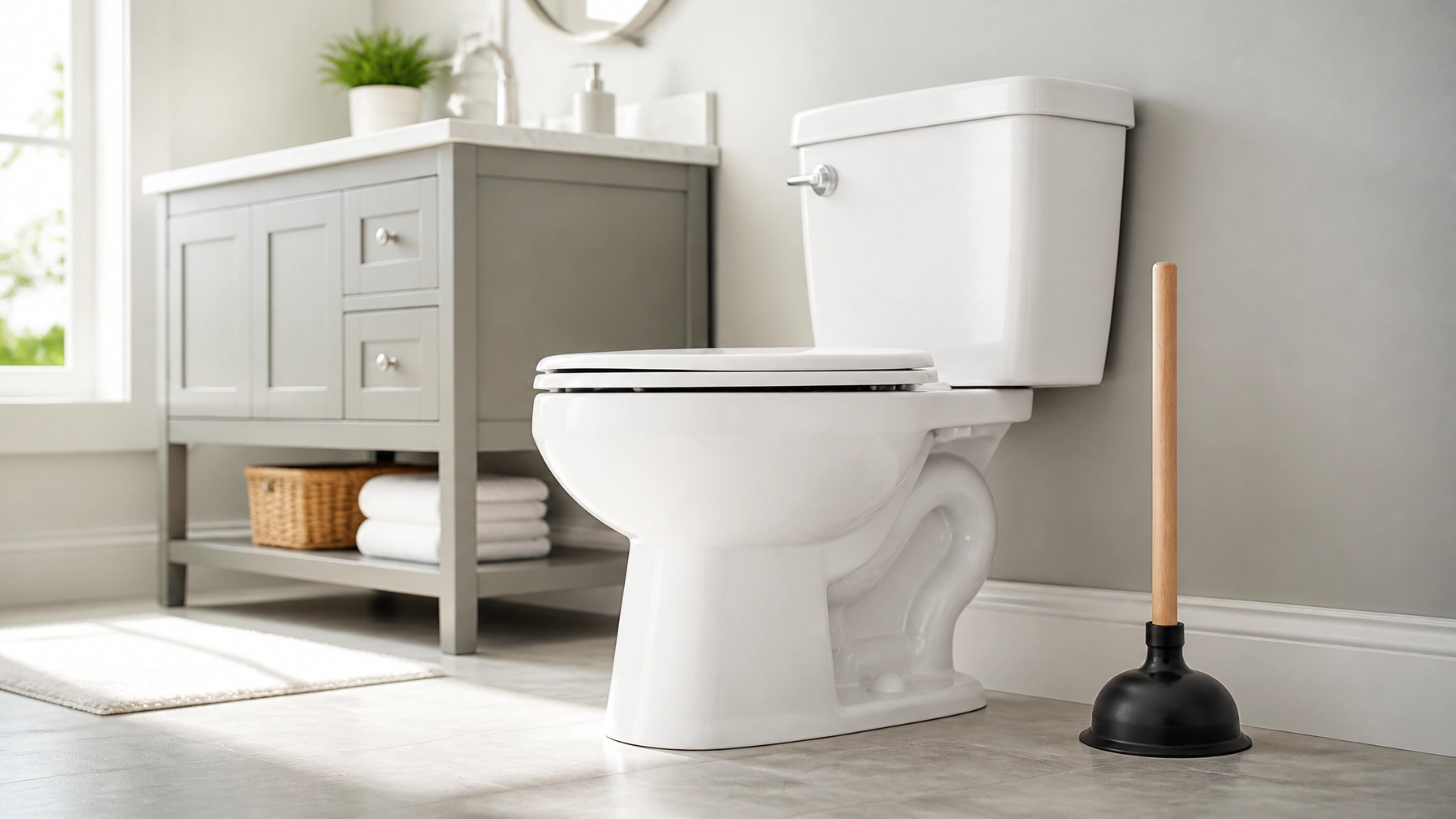
There is a specific kind of dread that sets in when you flush the toilet and the water doesn’t go down. Instead, it starts to rise. Your heart races as you wonder if it’s going to stop before it crests the rim. Most of the time, a quick session with a plunger fixes the problem, and you go about your day.
But what if it happens again tomorrow? And the day after that?
If you find yourself reaching for the plunger more often than the toilet paper roll, you don’t just have a clog; you have a recurring problem. At Infinity Plumbing, we see this all the time. While an occasional backup is part of homeownership, a toilet that "keeps" clogging is a sign that something is wrong, either with your habits, the fixture itself, or the pipes deep within your home.
Let’s dive into the most common reasons your toilet is acting up and what you can do to fix it once and for all.
1. The "Flushable" Wipe Myth
One of the most common reasons we get called for clogged toilet repair is the use of "flushable" wipes. Here is the simple, honest truth: there is no such thing as a truly flushable wipe.
While manufacturers claim these wipes break down, they don’t disintegrate nearly as fast as standard toilet paper. Traditional toilet paper is designed to dissolve almost instantly when it hits water. Wipes, however, are made of sturdy fibers designed to stay together even when wet (that’s why they work so well for cleaning!).

When you flush these wipes, they can easily get snagged on a small burr in a pipe, a bit of tree root, or even just a tight bend in the "S-trap" of your toilet. Once one wipe gets stuck, it acts like a net, catching toilet paper and waste behind it until, you guessed it, a clog forms. If you use wipes, the best thing you can do for your plumbing is to toss them in the trash, not the bowl.
2. Too Much (or Too Thick) Toilet Paper
We all love the comfort of ultra-plush, triple-ply toilet paper, but your pipes might not share that enthusiasm. If you use a lot of paper in a single sitting, or if you prefer the thickest brands on the market, your toilet’s flush might not have enough power to push that "wad" through the trap.
This is especially common in older homes with residential plumbing services that weren't designed for today’s heavy-duty paper products.
The Fix: Try using less paper per flush. If you need more, try the "two-flush" method: flush once for the waste, and a second time for the paper. It might seem like a waste of water, but it’s much cheaper than calling a 24 hour plumber for an emergency clearing.
3. Hard Water and Mineral Buildup
If you live in an area with hard water, minerals like calcium and magnesium can accumulate inside your toilet’s internal passages and your drain lines. Over time, these minerals form a hard, crusty layer known as "scale."
Think of it like cholesterol in an artery. The scale narrows the diameter of the pipe, making it much easier for small amounts of waste or toilet paper to get stuck. Furthermore, the rough surface of the mineral buildup provides the perfect "hook" for debris to snag on.

If you notice white, chalky deposits around your faucets or in your toilet bowl, hard water might be the silent culprit behind your recurring clogs. In these cases, a simple plunging won't solve the long-term issue. You might need professional drain cleaning services to clear out the scale and restore your pipes' original flow.
4. The Low-Flow Letdown
In the early 1990s, new regulations required toilets to use significantly less water per flush. While great for the environment, many of those first-generation low-flow toilets simply didn't have the design or pressure needed to clear the bowl effectively.
If your toilet was installed between 1994 and the early 2000s, it might simply be an underperformer. These models often struggle to move solids through the trap, leading to frequent, annoying clogs.
If you’ve tried everything else and your toilet still clogs constantly, it might be time to consider a modern, high-efficiency hot water heater replacement (oops, wrong fixture!): actually, we mean a modern high-performance toilet replacement. Modern low-flow toilets are engineered much better than their predecessors and offer powerful flushes with very little water.
5. Partial Blockages in the "S-Trap"
The "trap" is the S-shaped curve at the base of your toilet. Its job is to hold a small amount of water to block sewer gases from entering your home. However, its shape also makes it the most likely place for objects to get stuck.
We’ve found everything from toothbrushes and toy cars to cell phones and large clumps of hair stuck in the trap. Sometimes, an object gets lodged in such a way that it allows liquid to pass through, but catches any solid waste. This creates a "partial blockage" that causes the toilet to work fine one minute and clog the next.
DIY Rescue: Plunger vs. Auger
When the water starts rising, you need to know which tool to grab.
When to use a Plunger:
A plunger is best for soft clogs caused by too much toilet paper or organic waste.
- The Pro Tip: Use a flange plunger (the one with the extra rubber flap on the bottom). It creates a much better seal in a toilet than the flat "cup" plungers used for sinks.
- The Technique: Make sure there’s enough water in the bowl to cover the head of the plunger. Push down slowly to get the air out, then pull up and push down vigorously for about 15-20 seconds.
When to use a Toilet Auger:
If the plunger fails, or if you suspect a physical object (like a toy) is stuck, you need a toilet auger (also called a closet auger).

An auger is a long cable with a hand crank. It is designed to snake through the "S-trap" to either break up the clog or hook onto the object so you can pull it out. Unlike a standard drain snake, a toilet auger has a protective rubber sleeve to prevent the metal cable from scratching your beautiful porcelain.
When to Call a Pro for Clogged Toilet Repair
Sometimes, the problem isn't in the toilet at all. If you find that multiple drains in your house are backing up at the same time: like the bathtub filling up when you flush the toilet: you likely have a blockage in your main sewer line.
This is a job for the pipe repair specialists. Main line clogs can be caused by tree roots, collapsed pipes, or severe grease buildup. These require professional equipment like high-pressure water jetting or motorized drain snakes.

If you are dealing with:
- Clogs that return every few days.
- Water backing up into the shower or sink.
- Strange gurgling sounds from your pipes.
- Sewer odors in your bathroom.
It's time to call an emergency plumber near me. Dealing with a main line backup early can save you from a massive, messy cleanup later. At Infinity Plumbing, we specialize in everything from leak detection near me to complete sewer line restorations.
Keep Your Bathroom Running Smoothly
A recurring clog is more than just an inconvenience; it’s a sign that your home’s plumbing needs a little TLC. By watching what you flush, keeping an eye on water quality, and knowing when to call in the experts, you can keep your bathroom stress-free.
If you’re tired of fighting with your toilet, let the team at Infinity Plumbing take a look. We provide expert residential plumbing services to homeowners throughout the area, ensuring your pipes stay clear and your home stays comfortable.
Need help now? Whether it’s a stubborn clog, a water heater repair, or a complex pipe issue, we are here for you.
Contact Infinity Plumbing today:
- Phone: 239-499-8998
- Email: service@infinityhome.services
- Website: infinityhome.services
Leave a Reply