

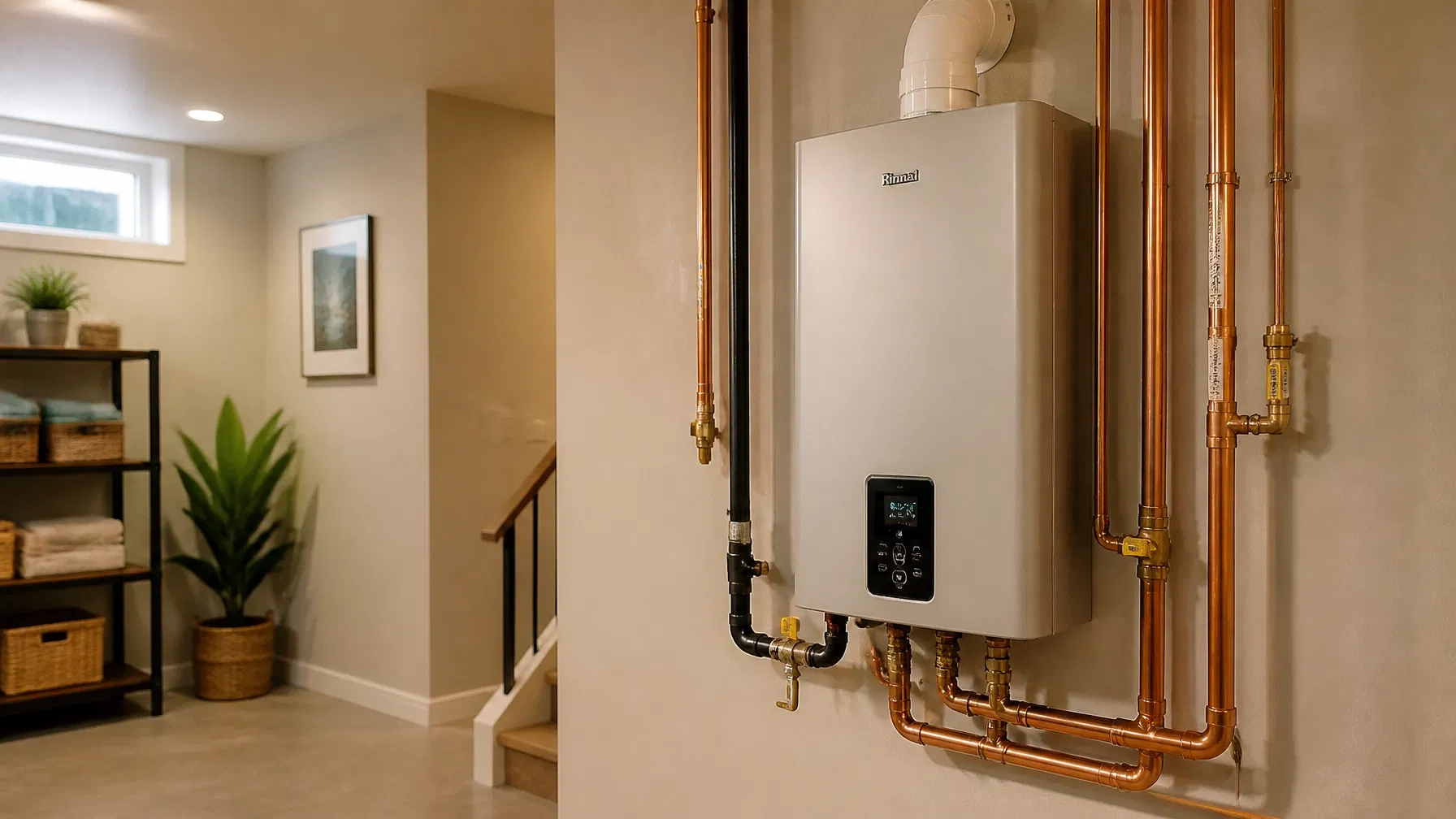
There is never a convenient time for your water heater to stop working. Whether you wake up to a freezing cold shower on a Monday morning or notice a puddle pooling around the base of your tank, hot water trouble instantly disrupts your daily routine. When faced with a malfunctioning unit, every homeowner eventually asks the ultimate question: Should I pay for a water heater repair, or is it time for a full hot water heater replacement?
Making the right choice depends on several factors, including the age of your equipment, the cost of the fix, and how energy-efficient your current system is. In 2026, with rising utility costs and advanced tankless technology becoming the standard for modern homes, knowing when to upgrade versus when to patch things up can save you hundreds: or even thousands: of dollars.
At Infinity Plumbing, our expert team provides top-tier residential plumbing services designed to help you make the most cost-effective decision for your home. Let’s break down everything you need to know to decide between repair and replacement.
Understanding Water Heater Lifespans
Before you can decide whether to fix or replace your unit, you need to know how old it is and how much life it has left. Water heaters don't last forever, and their durability varies significantly by type.

Standard Tank Water Heaters
Traditional tank water heaters typically last between 8 to 12 years. While some units maintained with regular flushing and good water quality can push toward 10 to 15 years, most plumbers consider a tank over 10 years old to be nearing the end of its reliable service life. Once a tank heater crosses this threshold, components begin to wear down simultaneously, making subsequent breakdowns much more frequent.
Tankless Water Heaters
If you invested in a modern tankless system, you benefit from a significantly longer lifespan. Tankless water heaters typically last 15 to 20 years (and sometimes even longer with pristine water conditions and routine descaling). Because their core components are built for longevity, minor component repairs on a relatively young tankless unit are often well worth the investment.
Knowing your unit's age is the first step in applying the golden rule of plumbing decisions: the 50% Rule.
The 50% Rule: How to Weigh Cost vs. Replacement
When plumbers and appliance experts evaluate a struggling water heater, they rely on the 50% Rule. This straightforward framework helps prevent homeowners from pouring good money after bad into an aging appliance.
The rule states:
- Compare the Repair Cost to Replacement: If the repair quote is 50% or more of the cost of buying and installing a brand-new, comparable water heater, you should lean strongly toward replacement.
- Factor in Age: This rule works hand-in-hand with appliance age. If a repair costs 50% of a new unit and the appliance is past the midpoint of its expected lifespan, replacement is almost always the smarter financial choice.
Real-World Scenarios
- Scenario A (Repair): Your standard tank water heater is 5 years old (well under its 8–12 year lifespan). A minor thermostat or valve fix costs $250, while a new installation would cost $1,200. Because the repair is well under 50% and the unit is young, repairing is the clear winner.
- Scenario B (Replacement): Your standard tank heater is 11 years old. A major burner assembly or control valve repair costs $600 (exactly 50% of a $1,200 replacement). Because the unit is at the end of its expected lifespan, choosing the repair means you'll likely face another breakdown soon. Replacing is the wiser investment.
When Replacement Is Mandatory (Regardless of Cost)
Sometimes, the decision is taken out of your hands. No matter how minor the issue might seem, certain conditions mean a hot water heater replacement is the only safe and viable option:

- Leaking Tank Body: If water is actively leaking from the steel tank itself (rather than a loose pipe fitting, temperature-relief valve, or supply connection), the tank wall has failed due to internal corrosion. Tanks cannot be patched once they breach.
- Severe Rust and Corrosion: Extensive rusting on the exterior shell or around the fittings indicates that internal degradation is advanced, and a major blowout could happen at any time.
- Chronic Breakdowns: If you find yourself calling for water heater repair every few months, the cumulative cost of service calls and parts will quickly eclipse the price of a brand-new, reliable system.
Energy Efficiency and Upgrading in 2026
Energy efficiency is another massive factor influencing the repair vs. replacement debate. Water heating accounts for a significant portion of your home's monthly utility bills: often second only to heating and cooling.
Older tank water heaters lose heat continuously through their tank walls (known as standby heat loss) and accumulate thick layers of mineral scale that force the burners or heating elements to work twice as hard.
Upgrading to a modern, high-efficiency unit in 2026 offers immediate advantages:
- Lower Monthly Bills: High-efficiency tank models and continuous-flow tankless systems consume significantly less energy, shrinking your utility footprint.
- Endless Hot Water: Tankless upgrades heat water on demand, meaning you never have to worry about running out halfway through filling a tub or running consecutive showers.
- Smart Home Integration: Modern water heaters feature advanced leak detection sensors, Wi-Fi connectivity, and auto-shutoff valves that protect your home from catastrophic water damage.
Repair vs. Replacement: Quick Comparison Checklist
| Factor | Repair When… | Replace When… |
|---|---|---|
| Age of Unit | Standard tank is under 6–8 years old; tankless is under 10–12 years old. | Standard tank is 10+ years old; tankless is 15+ years old. |
| Repair Cost | Less than 25% to 40% of a new installation. | Exceeds 50% of a comparable new unit. |
| Tank Condition | Sound, no rust, structural integrity intact. | Rusted, corroded, or actively leaking from the tank body. |
| Reliability | Isolated incident; first repair in years. | History of frequent breakdowns and inconsistent performance. |
Trust Infinity Plumbing for Your Water Heater Needs
Deciding whether to repair or replace your water heater doesn't have to be a guessing game. If you're experiencing strange noises, discolored water, fluctuating temperatures, or a complete loss of hot water, our licensed professionals are here to help.

At Infinity Plumbing, we provide honest assessments, transparent pricing, and expert installation for all types of water heating systems. Whether you need a quick component fix or a complete system upgrade, we ensure your home stays comfortable year-round.
Ready to talk options? Contact our team today to schedule your inspection. Call us at 239-499-8998 or email us at service@infinityhome.services to get started with trusted residential plumbing services in your area!
Leave a Reply