

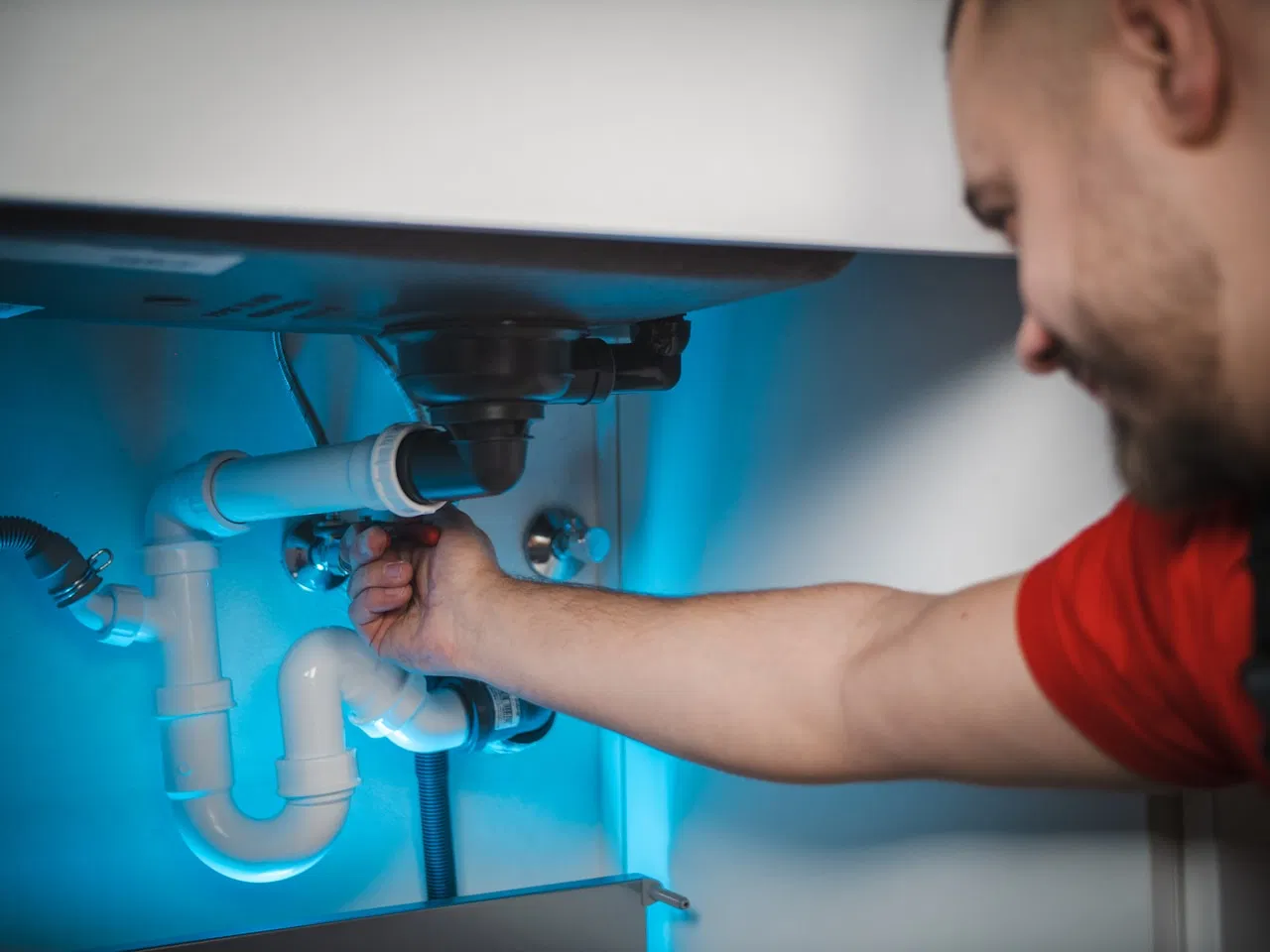
A clogged drain can turn a normal day into a frustrating mess. Whether water is pooling in the shower, your kitchen sink is draining slowly, or your toilet keeps backing up, small plumbing problems can quickly become bigger ones.
The good news is that many household clogs are preventable. A few simple habits can help protect your pipes, reduce odors, and keep water moving through your home.
Here are six easy ways to prevent clogs and avoid an unexpected call for drain cleaning services in Cape Coral.
1. Keep grease, oil, and food scraps out of the sink
One of the most common causes of kitchen drain clogs is grease. Cooking oil, bacon fat, butter, gravy, and creamy sauces may be liquid when they are hot, but they can cool and harden inside your pipes.
Over time, grease sticks to the inside of the drainpipe. Food particles then catch on the sticky buildup, creating a clog that becomes harder to remove.
Instead:
- Let cooking grease cool.
- Pour it into a container or disposable can.
- Place the container in the trash.
- Scrape food scraps from plates before rinsing them.
- Use a sink strainer to catch small particles.
It is also best to keep coffee grounds, rice, pasta, eggshells, potato peels, and fibrous vegetables out of the drain. These materials can swell, stick together, or become trapped in the pipe.
If your kitchen sink is already slow or backing up, professional drain cleaning services can remove buildup farther down the line.
2. Install strainers in sinks, tubs, and showers
Hair and soap residue are major causes of bathroom drain problems. A small amount of hair may not seem like a concern, but it can combine with soap scum and form a dense blockage inside the drain.
A simple drain strainer or hair catcher can stop much of this material before it enters your plumbing system. Use one in:
- Bathroom sinks
- Shower drains
- Bathtubs
- Kitchen sinks
Empty the strainer regularly, especially after showers or when you wash dishes. It only takes a few seconds and can save you from standing in ankle-deep shower water later.
You should also remove and clean the sink stopper from time to time. Hair and residue often collect directly beneath it, even when the drain appears clean from above.
If water remains in the tub or shower after you have cleaned the stopper, the clog may be deeper in the line. That is a good time to contact a professional instead of pushing debris farther into the pipe.
3. Use hot water carefully to flush light buildup
A regular hot water flush can help loosen small amounts of grease and soap residue. Once a week, run hot water down your kitchen and bathroom drains for a minute or two.
You can also try a mild monthly cleaning routine:
- Pour about half a cup of baking soda into the drain.
- Add about one cup of white vinegar.
- Cover the drain for 15 to 30 minutes.
- Flush with hot water.
This method may help with light residue and drain odors, but it will not remove every type of blockage. Do not use it if you have recently poured a chemical drain cleaner into the pipe, and never mix different cleaning products.
Avoid repeatedly using harsh chemical drain openers. These products may temporarily open a small path through the clog, but they can leave corrosive liquid in the pipe. They may also damage older plumbing and create a safety risk if the drain remains blocked.
For recurring or severe clogs, professional cleaning is safer and more thorough.

4. Use your garbage disposal the right way
If your home has a garbage disposal, it still needs to be used carefully. A disposal is designed for small food scraps, not every type of kitchen waste.
Run cold water while the disposal is operating and continue running it for a few seconds after turning the unit off. This helps move ground food through the drain line.
Avoid putting these items into the disposal:
- Grease and cooking oil
- Rice and pasta
- Coffee grounds
- Potato peels
- Celery and other stringy vegetables
- Corn husks
- Bones and shells
- Large amounts of food at one time
Even when the disposal breaks food into smaller pieces, the material can still collect inside the drainpipe. When in doubt, throw it in the trash or compost it instead.
A bad smell, slow drainage, or humming disposal may indicate a problem that needs attention. Do not put your hand into the disposal. Turn it off and contact a plumber for a safe inspection.
5. Treat your toilet like a plumbing fixture: not a trash can
Toilets are designed to handle human waste and toilet paper. Flushing other items can lead to blockages, even when the packaging says they are flushable.
Do not flush:
- Paper towels
- Feminine hygiene products
- Cotton swabs
- Dental floss
- Tissues
- Cleaning wipes
- Baby wipes
- Cat litter
- Medication
- Household trash
“Flushable” wipes can be especially troublesome because they may not break down as quickly as toilet paper. They can collect in the drain line and contribute to repeated backups.
If your toilet clogs occasionally, a plunger may solve a simple blockage. However, frequent clogs, bubbling sounds, or water rising in the bathtub when you flush can point to a larger drain or sewer line problem.
For repeated backups, professional clogged toilet repair can identify the cause instead of simply clearing the same symptom again and again.
6. Pay attention to early warning signs
Your plumbing system often gives you clues before a serious clog occurs. Acting early can help prevent an overflowing sink, damaged flooring, or a costly emergency visit.
Watch for:
- Water draining more slowly than usual
- Gurgling or bubbling sounds
- Persistent sewer or rotten-egg odors
- A toilet that needs frequent plunging
- Water backing up into another fixture
- Several slow drains at the same time
- Standing water in a shower or tub
One slow drain may be a local issue near the fixture. Multiple slow drains are more concerning because they can indicate a restriction in a shared branch line or main sewer line.
For example, if flushing the toilet causes water to rise in the shower, or running the washing machine makes another drain bubble, stop using unnecessary water and call a professional. Continuing to run water can make a backup worse.
A professional plumber may use an auger, hydro-jetting equipment, or a drain camera to locate the obstruction and determine whether the pipe itself is damaged.
When should you schedule professional drain cleaning?
There is no single schedule that works for every home. Some homeowners may benefit from annual maintenance, especially if the property has older pipes, a history of recurring clogs, or several people using the same bathrooms.
You should consider scheduling drain cleaning if:
- The same drain clogs repeatedly.
- DIY methods only work for a short time.
- You notice slow drainage throughout the home.
- Your drains smell bad even after cleaning.
- You hear gurgling when fixtures are used.
- You suspect roots, pipe damage, or heavy buildup.
Recurring problems may require more than cleaning. A damaged or collapsed pipe, root intrusion, or sagging drain line may need attention from pipe repair specialists.
Infinity Plumbing provides residential plumbing services for homeowners throughout Cape Coral, including maintenance, inspections, drain issues, and emergency plumbing problems.

More than drain cleaning
Drain problems are not the only plumbing concerns homeowners face. A slow drain may sometimes be connected to a hidden leak, aging pipes, or another issue in your home’s plumbing system.
Infinity Plumbing can also help with:
- Water heater repair when your water is not heating properly
- Hot water heater replacement when an old unit is leaking or no longer reliable
- Leak detection near me for hidden leaks behind walls, under floors, or around fixtures
- Emergency plumbing when a burst pipe or major backup cannot wait
- Plumbing inspections and maintenance for your home
If you are searching for an emergency plumber near me, do not wait if sewage is backing up, water is spreading across the floor, or a pipe has burst. A 24 hour plumber can help limit damage and restore safe use of your plumbing.
Keep your Cape Coral drains flowing
Preventing clogs does not have to be difficult. Keep grease and food scraps out of the kitchen sink, use strainers, flush drains carefully, protect your toilet, and respond quickly when drainage slows down.
These small habits can help your plumbing work better between professional visits. If a clog keeps returning or several fixtures are affected, it is better to find the cause than to keep reaching for a plunger.
For dependable drain cleaning services and other plumbing help in Cape Coral, contact Infinity Plumbing.
Phone: 239-499-8998
Email: service@infinityhome.services
Website: infinityhome.services

Leave a Reply