

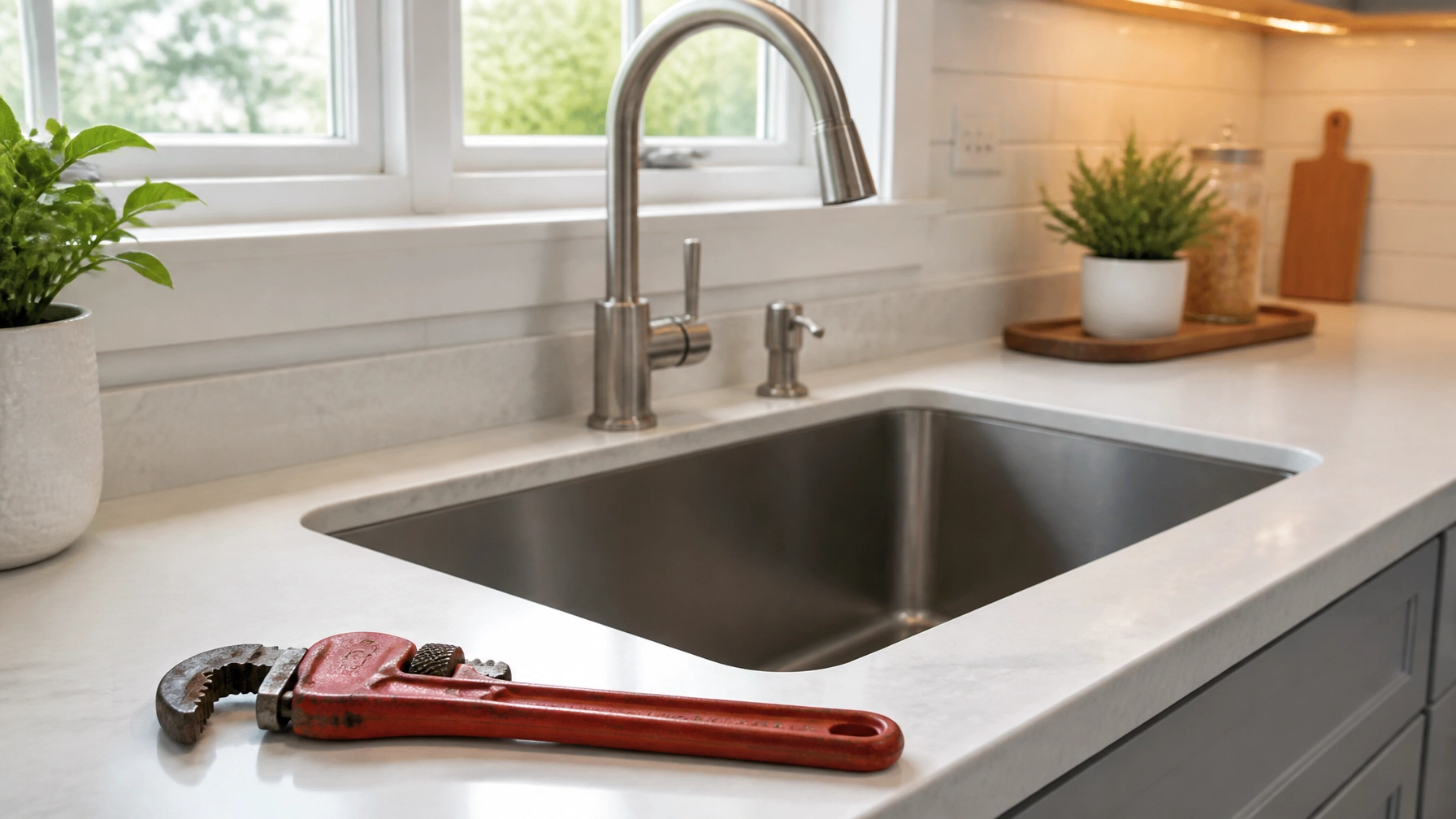
We’ve all been there. You’re finishing up the dishes or hopping out of the shower, and you realize the water isn't going anywhere. It’s sitting there, mocking you, while you wonder if you should try that bottle of blue liquid under the sink or call for emergency plumber near me.
Most homeowners pride themselves on being a bit handy. Changing a lightbulb? Easy. Painting a room? No problem. But when it comes to your drains, "DIY" can quickly turn into "Destroy It Yourself." Plumbing systems are more delicate than they look, and the wrong move can turn a $150 cleaning into a $5,000 pipe replacement.
At Infinity Plumbing, we see the aftermath of "YouTube University" plumbing attempts every single day. To help you save your pipes (and your sanity), we’ve rounded up the seven most common mistakes people make with drain cleaning: and what you should be doing instead.
1. Treating Chemical Cleaners Like Magic Juice
It’s the most common "fix" in the book. You go to the hardware store, buy the strongest-looking bottle of liquid drain cleaner, and pour it down. It sizzles, it smokes, and sometimes the clog even clears. Success, right?
Not exactly. Those chemicals are extremely caustic. While they are designed to eat through hair and grease, they don't know the difference between a hairball and your actual pipes. If you have older metal pipes, the chemicals can cause corrosion. If you have PVC, the heat generated by the chemical reaction can actually warp or melt the pipe joints.
The Fix: Use mechanical methods first. A simple plunger or a hand-cranked snake is far safer for your plumbing than a bottle of acid. If you must use a cleaner, look for enzymatic cleaners that use natural bacteria to "eat" the clog: they take longer to work but won't ruin your home.
2. Using the Wrong Plunger (or Using It Wrong)
Did you know there are different types of plungers? Most people use a flat-bottomed sink plunger for everything. But if you’re trying to clear a toilet, you need a flange plunger (the one with the extra rubber flap at the bottom).
Even more common is the "Hulk Smash" technique. People think the harder they push, the better. In reality, aggressive plunging can break the wax seal at the base of your toilet or push the clog even deeper into the line.
The Fix: Focus on the "up" stroke, not just the "down" stroke. Create a tight seal, push down gently to get the air out, and then pull back sharply. The vacuum created by pulling back is often what actually dislodges the clog.

3. The "Coat Hanger MacGyver"
When a drain is clogged just out of reach, it’s tempting to straighten out a wire coat hanger and start poking around. We’ve seen people pull out everything from hangers to bamboo skewers and even long sticks from the backyard.
The problem? Modern pipes have specific coatings and smooth interiors. Sharp metal hangers can scratch the inside of your pipes, creating rough spots where grease and hair can snag even more easily in the future. Worse, you could puncture a joint or get the hanger stuck, turning a minor clog into a major extraction project for residential plumbing services.
The Fix: Invest in a "zip tool" or a plastic drain hair remover. They are cheap, flexible, and designed specifically to grab hair clogs near the surface without damaging the pipe.
4. DIY "Jetting" with a Garden Hose
Some homeowners think they can mimic the professional hydro-jetting equipment used by drain cleaning services by shoving a garden hose down a pipe and turning it on full blast.
This is a recipe for disaster. A garden hose doesn't have the pressure to clear a real blockage, but it does have enough volume to flood your house. Once that hose is down the pipe and the water starts backing up, you have no way to stop it until the "lake" in your kitchen is ankle-deep.
The Fix: Hydro-jetting requires specialized nozzles and high-pressure pumps that can hit 4,000 PSI safely. This is a job that should strictly be left to the pros.
5. Thinking Baking Soda and Vinegar is a Miracle Cure
Social media is full of "life hacks" claiming that a mixture of baking soda and vinegar is a natural drain cleaner. While the fizzing looks cool (it’s basically a middle school science project volcano), it’s rarely effective for a real clog.
The reaction creates carbon dioxide gas and water. While the pressure of the gas might move a very loose hairball, it won't dissolve grease or break down a solid obstruction. In fact, if you have a serious clog, the baking soda can sometimes settle and harden, making the blockage even worse.
The Fix: Use this mixture for light maintenance only: like keeping a kitchen sink smelling fresh: but don't rely on it when you have standing water. For real clogs, you need real tools.

6. Ignoring the Warning Signs
A drain doesn't usually just "stop" working for no reason. It gives you plenty of warnings.
- Is the water swirling slowly?
- Does the sink gurgle when the toilet flushes?
- Is there a faint smell of sewage in the laundry room?
Ignoring these signs is one of the biggest mistakes you can make. A slow drain today is a flooded basement tomorrow. When you ignore the warning signs, you're essentially waiting for a "plumbing heart attack."
The Fix: Pay attention to how your home "talks" to you. If a drain is consistently slow, it’s time to call for a professional inspection before it becomes an emergency.
7. Waiting Until It’s an Emergency
The absolute biggest mistake homeowners make is waiting until the water is overflowing onto the hardwood floors before calling for help. At that point, you’re not just paying for a plumber; you’re paying for water damage restoration, mold remediation, and potentially new flooring.
Searching for an emergency plumber near me at 2:00 AM on a Sunday is always going to be more expensive and stressful than scheduling a routine cleaning on a Tuesday morning.
The Fix: If you can’t clear a clog with a simple plunger in 10 minutes, stop. Put the tools down and call a professional. Preventive drain cleaning services can keep your pipes clear for years, saving you thousands in the long run.

When to Call the Pros?
At Infinity Plumbing, we believe in empowering homeowners, but we also know that some jobs require the big guns. You should call for residential plumbing services if:
- You have clogs in multiple fixtures at the same time (this usually means a main line issue).
- The clog returns shortly after you "fix" it.
- You hear gurgling sounds from other drains when you use a fixture.
- You smell sewage or see "backflow" (water coming up one drain when another is used).
Don't let a small clog turn into a massive headache. If your DIY efforts aren't working, or if you just want the peace of mind that comes with a professional job, give us a call at 239-499-8998 or email service@infinityhome.services. We’re here to keep your water moving and your home dry!
Leave a Reply