

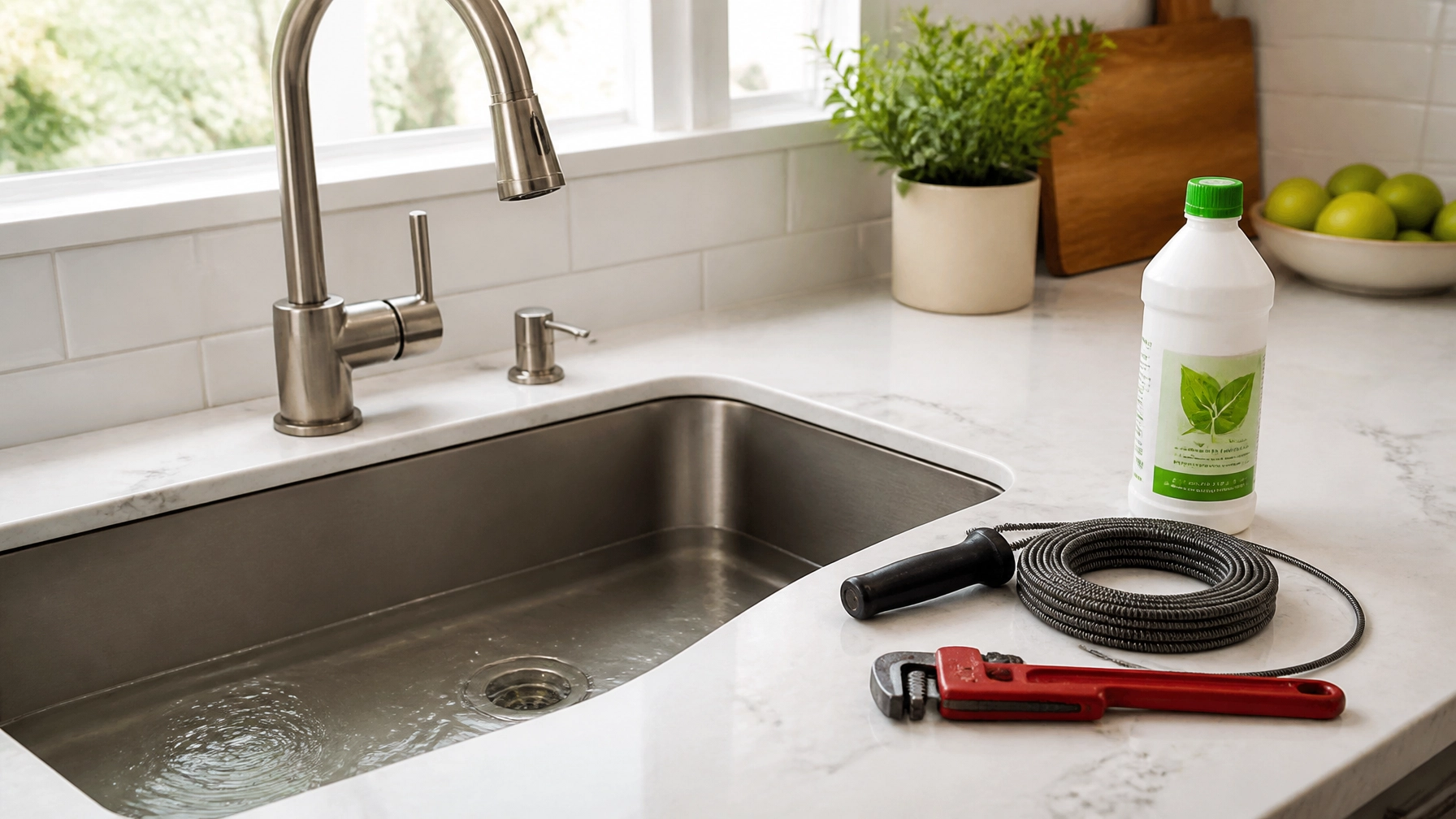
We’ve all been there. You’re doing the dishes or brushing your teeth, and you notice the water isn’t swirling down the drain as fast as it used to. Then, within a few days, you’re standing in two inches of soapy water during your morning shower. It’s frustrating, messy, and, let’s be honest, a little gross.
At Infinity Plumbing, we see these scenarios every single day. Most homeowners are proactive and want to fix the problem themselves. We love that DIY spirit! However, there is a big difference between a quick fix and a "fix" that actually causes more damage to your home’s plumbing system. From using the wrong tools to pouring the wrong liquids down the sink, some of the most common "hacks" can lead to expensive pipe repair specialists needing to visit your home sooner than you'd like.
In this guide, we’re going to break down the 7 most common mistakes homeowners make when cleaning their drains and, more importantly, how you can fix them properly to keep your pipes flowing freely.
1. Overusing Chemical Drain Cleaners
It’s the first thing most people reach for: that bright plastic bottle under the sink filled with liquid "magic." While these chemical cleaners are marketed as a one-step solution for clogs, they are often the worst thing you can put in your pipes.
Most of these products use caustic chemicals like lye or sulfuric acid to dissolve hair and grease. The problem? Those chemicals don't know the difference between a hairball and your actual pipes. Over time, these substances can eat away at PVC, soften plastic, and even corrode older metal pipes. If the clog doesn't clear, the chemicals just sit there, stewing in your pipes and causing structural damage. Plus, they are incredibly dangerous if they splash back on your skin or eyes.
The Fix:
Instead of reaching for the harsh chemicals, try a more natural approach for minor clogs. A mixture of baking soda and vinegar followed by boiling water can often break up organic material without the risk of corrosion. For tougher jobs, look into enzyme-based cleaners. These use bacteria to "eat" the organic matter in your pipes over time, which is much safer for your plumbing and the environment. If the clog is stubborn, it's time to look for professional drain cleaning services to get it handled safely.

2. Using the Sink as a Trash Can
It’s easy to think that once something goes down the drain and through the garbage disposal, it’s gone forever. But your kitchen sink isn’t a magic portal; it’s a network of pipes designed mainly for liquids and small, soft food particles.
One of the biggest mistakes is pouring cooking grease or oil down the drain. While it’s liquid when it’s hot, it solidifies as it cools down deep in your pipes, creating a "fatberg" that catches everything else passing by. Other offenders include coffee grounds (which turn into sludge), eggshells (the grit acts like sandpaper), and fibrous vegetables like celery or potato peels that can tangle up disposal blades.
The Fix:
Keep a "fat jar" under the sink for old cooking oil and grease. Once it’s full, toss it in the trash. Scrape your plates thoroughly into the compost or garbage before rinsing them. If you suspect grease has already built up, a professional 24 hour plumber can perform a hydro-jetting service to blast away the solidified fat and restore your pipe’s full diameter.
3. Flushing "Flushable" Wipes
The packaging says they’re flushable, but your plumbing system disagrees. Unlike toilet paper, which is designed to disintegrate almost instantly when it hits water, "flushable" wipes are made of sturdy fibers that stay intact for a long time. These wipes are a leading cause of massive blockages in residential sewer lines and municipal treatment plants.
When these wipes get snagged on a small burr in a pipe or a bit of tree root intrusion, they start a "snowball effect," catching toilet paper and waste until you’re facing a major clogged toilet repair situation.
The Fix:
The rule is simple: only flush human waste and toilet paper. Everything else, wipes, paper towels, hygiene products, and even "flushable" kitty litter, should go in the trash. If your toilet is constantly backing up, you might already have a blockage forming further down the line that requires professional attention.
4. Attacking Clogs with Makeshift Tools
We’ve seen it all: wire coat hangers, sticks, and even butter knives used to try and fish out a clog. While it’s tempting to grab whatever is nearby to hook a clump of hair, you’re likely doing more harm than good.
Metal coat hangers can easily scratch the porcelain of your toilet (leaving permanent gray marks) or, worse, puncture a weakened section of your pipe. If a makeshift tool breaks off inside the drain, you’ve just turned a simple clog into a complex extraction job for a plumber.
The Fix:
Invest in the right tools. A basic hand-cranked drain snake (also called an auger) is relatively inexpensive and designed to navigate the bends of your pipes without causing damage. If you can’t reach the clog with a standard 15-foot snake, don't force it. That’s a sign the blockage is deeper in the system, potentially requiring residential plumbing services to use a motorized auger or a camera inspection.

5. Using the Wrong Type of Plunger
Did you know there are different plungers for different jobs? Most people have a standard "cup" plunger, the one that looks like a flat rubber bowl. While these are great for flat surfaces like a kitchen sink or a bathtub, they are actually quite poor at clearing toilets.
Toilets have a curved drain opening, which means a flat cup plunger can’t create a proper seal. Without a seal, you can’t create the pressure needed to move the clog. Using the wrong plunger often leads to a lot of splashing and very little results.
The Fix:
Buy a "flange" plunger for your bathrooms. These have a rubber flap (the flange) that extends from the bottom of the cup, allowing it to fit snugly into the toilet’s drain hole. For your sinks and tubs, stick with the standard cup plunger. Having the right tool for the job makes a world of difference when you’re dealing with a sudden overflow.
6. Ignoring the Slow Drain
A slow drain is a warning sign. It’s your plumbing system’s way of saying, "Hey, something is wrong down here!" Many homeowners ignore a slow-draining sink for weeks or months, thinking it’s just a minor annoyance.
The problem is that clogs rarely get better on their own; they only get bigger. A slow drain can also be a symptom of a much larger issue, like a cracked sewer pipe or tree root intrusion. By the time the drain stops completely, you might be looking at a backup that floods your home, necessitating an emergency plumber near me at 2:00 AM.
The Fix:
Address slow drains the moment you notice them. Start with the baking soda and vinegar method, and check the "P-trap" (the U-shaped pipe under your sink) for debris. If the slow drainage persists across multiple fixtures in your home, it’s a sign of a main line issue. This is when you should call for leak detection near me to ensure there isn't a hidden break in your pipes causing the slow-down.

7. The Garden Hose "Pressure" Trick
There’s a dangerous DIY tip floating around the internet that suggests sticking a garden hose down a vent pipe on your roof or directly into a drain to "blast" out a clog with water pressure. Please, do not do this.
Residential plumbing isn't designed to handle uncontrolled high-pressure water from a hose pushed directly into the lines. You risk bursting old joints, causing a massive indoor flood, or pushing the clog so deep into the main sewer line that it becomes much more expensive to remove. Furthermore, if you're working on the roof, you're at risk of a fall.
The Fix:
If you need high-pressure cleaning, leave it to the pros. Professional hydro-jetting uses specialized nozzles and calibrated pressure that cleans the walls of your pipes without damaging them. It’s the safest way to get "like-new" pipes without the risk of a DIY disaster.
Proactive Maintenance for Your Home
Beyond avoiding these mistakes, there are things you can do to keep your home running smoothly. For instance, if you live in an area undergoing growth, you might want to learn about utility expansion connections in Cape Coral to see how new infrastructure impacts your home's value and plumbing needs.
Additionally, keeping an eye on your water temperature is vital. If you notice your hot water is taking longer to reach the tap, or you’re seeing rust-colored water, you might need a water heater repair or even a hot water heater replacement. Drain health and water heater health often go hand-in-hand in maintaining a comfortable home.

Need a Hand? Call Infinity Plumbing!
At Infinity Plumbing, we’re committed to providing the best residential plumbing services in the area. Whether you're dealing with a stubborn kitchen clog, need a clogged toilet repair, or require the expertise of pipe repair specialists, we’re here to help. We offer 24/7 service because we know that plumbing emergencies don't wait for business hours.
Don't let a small drain issue turn into a big home disaster. If your DIY efforts aren't cutting it, or if you want to schedule a professional inspection to keep your pipes in top shape, give us a call.
Contact Us Today:
- Phone: 239-499-8998
- Email: service@infinityhome.services
- Website: https://infinityhome.services
Let us handle the dirty work so you can get back to enjoying your home!
Leave a Reply